
Johannes Brahms — "16 Waltzes, Op. 39: Waltz 2" lands like a quick wink from the elegant side of the room. Silke-Thora Matthies and Christian Kohn make the miniature feel freshly minted, the kind of track that sounds essential the second it starts.
Johannes Brahms — "16 Waltzes, Op. 39: Waltz 2" lands like a quick wink from the elegant side of the room. Silke-Thora Matthies and Christian Kohn make the miniature feel freshly minted, the kind of track that sounds essential the second it starts.
Robert Schumann, Martha Argerich — “Kinderszenen, Op. 15: XII. Kind im Einschlummern” lands like a secret you’re lucky to hear first. In a week full of noise, this feels essential: small, unforced, and completely sure of itself.
Johann Sebastian Bach, Britten Sinfonia, Thomas Gould turn Goldberg Variations: Goldberg Variations: Aria into a sly little essential. The opening feels startlingly alive, like a classic you somehow missed until now.
Ludwig van Beethoven and Für Elise, WoO 59 arrive sounding oddly fresh, like a tune that just escaped a velvet-lined jewelry box and found the front page. The melody is familiar, sure, but the bite in this version makes it feel newly useful: elegant, playable, and impossible to ignore.
Franz Schubert, Sylvia Capova slide into Four Impromptus No. 3 in G-Flat Major, Op. 90, D. 899 like they already own the room. The piece feels fresh enough to soundtrack a late-night discovery, even though the tune itself has the cool authority of something that never leaves the top shelf.
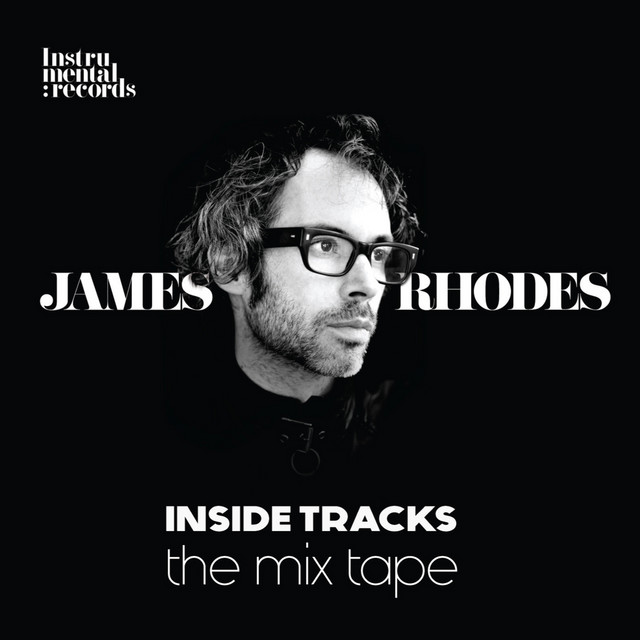
Frédéric Chopin and Prelude No. 4 in E Minor, Op. 28 land like a confession whispered over a grand piano. James Rhodes makes it feel newly urgent, all the more essential because the piece says so much in such a small frame.
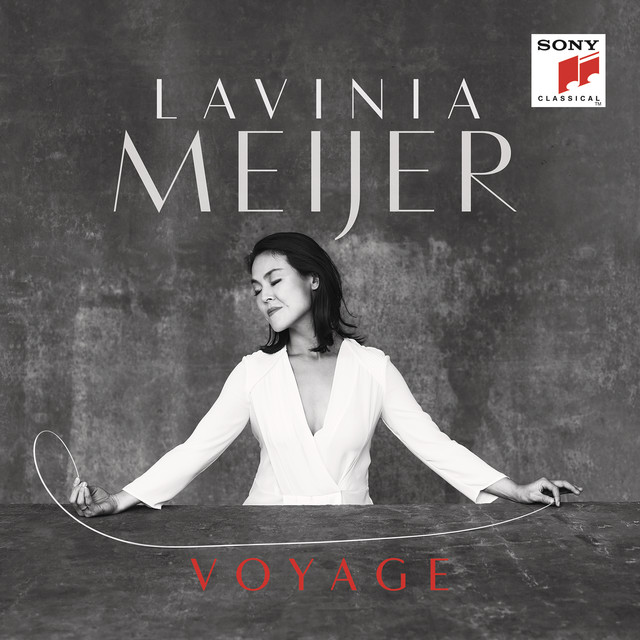
Erik Satie and Lavinia Meijer turn Gymnopédie No. 1 (Arr. for Harp) into the kind of song that stops a room without raising its voice. The piece feels startlingly current: cool, elegant, and oddly brave in its restraint.

Pyotr Ilyich Tchaikovsky, Joshua Bell, Vladimir Ashkenazy, The Cleveland Orchestra turn Concerto in D Major for Violin and Orchestra, Op. 35: II. Canzonetta: Andante (attacca) into the kind of surprise that stops a playlist cold. The violin line feels freshly lit, not dusty, and the phrasing lands…
Johannes Brahms, Christian Kohn, and Silke-Thora Matthies make “16 Waltzes, Op. 39: Waltz 15” feel newly minted, even though the ink is long dry. In a feed full of disposable sounds, this one arrives with real poise and a sly grin.
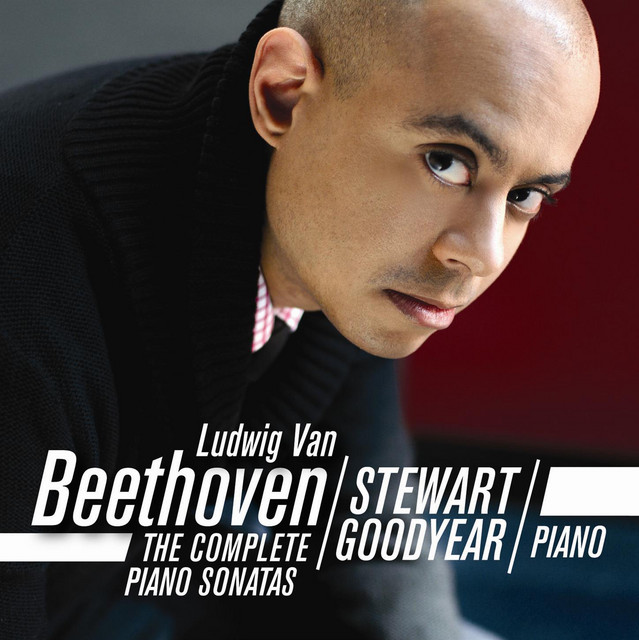
Ludwig van Beethoven and Sonata # 14 in C-sharp minor, Op. 27 No 2 “Moonlight”:: Adagio sostenuto” land like a perfectly moody wake-up call. Stewart Goodyear makes a centuries-old piano piece feel newly minted, and that’s exactly the point.
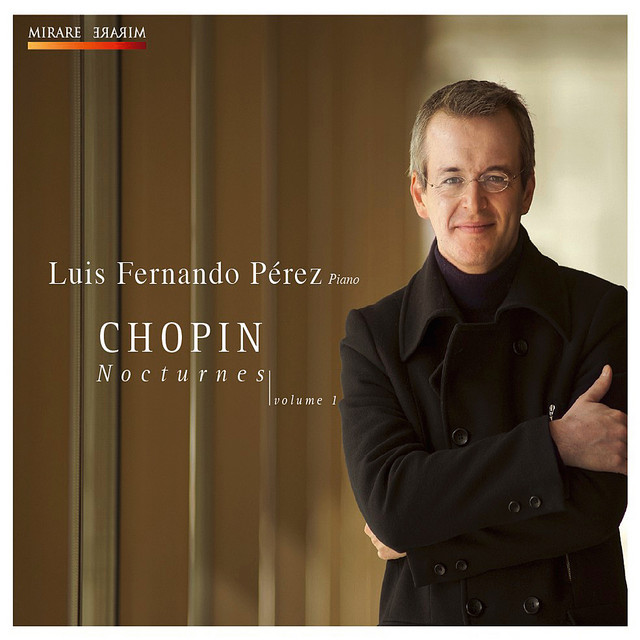
Frédéric Chopin and Luis Fernando Pérez make Nocturne en Fa Majeur, Op. 15 No. 1 feel newly urgent, like a velvet-wrapped secret landing right when the room needs quiet authority. The melody arrives with enough poise to stop a scroll and enough ache to make you stay.
Wolfgang Amadeus Mozart, András Schiff — “Sonata No. 17 in B Flat for Piano, K. 570: III. Adagio” arrives like a perfectly timed secret. The piano line feels newly uncovered, and somehow that makes it feel more urgent than half the shiny releases crowding the feed.
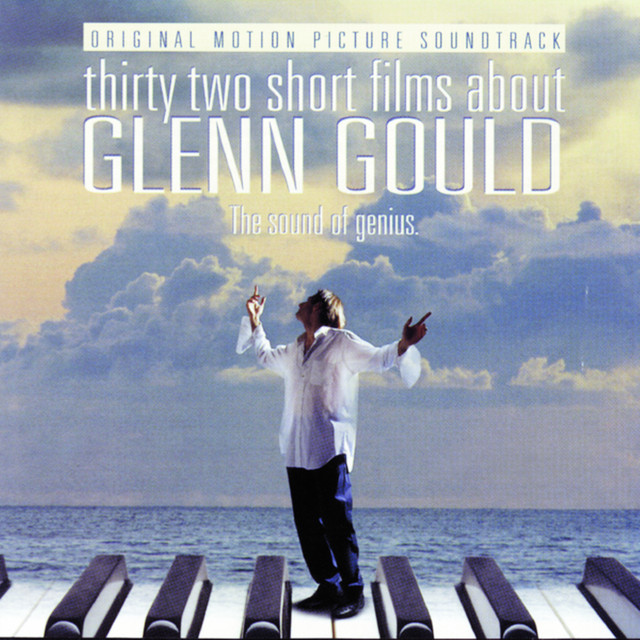
Johann Sebastian Bach and The Well-Tempered Clavier, Book 1: Prelude No. 1 in C Major, BWV 846 feel like the cleanest reset button in the room. Glenn Gould makes the opening bars sound newly minted, which is exactly why this belongs at the top of the pile right now.
